SPEAKER BOARD
Our speakers shape the future of energy. Meet the minds behind binding.energy 2026, from fusion and fission to policy, research, and industry.
📄 View the full agenda (PDF)
Additional speakers will be announced shortly.


Day 1 – February 3, 13:40 –14:00
Rethinking the Energy Transition: A Role for Nuclear Power to Meet Climate Targets and Keep Economic Competitiveness
Dr. Friedbert Pflüger, Staatssekretär a.D., is Managing Partner of the Clean Energy Forum (CEF) and Founder and Co-Managing Director of Pflüger International GmbH. He holds a doctorate in political science and studied in Göttingen, Bonn, and at Harvard. A former advisor to President Richard von Weizsäcker and a member of the Bundestag (1990–2006), he served as Chair of the EU Committee, foreign policy spokesperson, and Parliamentary State Secretary for Defence. Today, Pflüger is active in energy policy, including the nuclear transition, energy and climate security, and promoting dialogue and innovation.


Day 1 – February 3, 14:00 –14:20
From Phase-Out to Breakthrough: Former NPP Biblis as a Nuclear Innovation Hub
Dr. Cord-Henrich Lefhalm is Managing Director & Nuclear Innovation Strategist at RWE Nuclear GmbH. With a background in physics and engineering, he brings over 20 years of experience in international nuclear energy development, regulatory transformation, and strategic oversight of multi-billion-euro decommissioning programmes. Since 2025, he has led a task force focused on repurposing RWE’s decommissioned nuclear sites and redeploying skilled staff. At Biblis, he is advancing a fusion research campus with Focused Energy, aiming to deliver the first fusion power by 2035.


Day 1 – February 3, 14:20 –14:40
European Innovation for a Global Challenge: Transmutex and the ADS Revolution
Franklin Servan-Schreiber from Transmutex SA is Co-founder and CEO of the Swiss company developing accelerator-driven nuclear technology that transmutes high-level waste, reducing its lifespan from a million years to under a thousand. He holds degrees in electrical engineering and comparative history from Carnegie Mellon University and brings over 20 years of international leadership experience, including roles at the World Economic Forum and the International Olympic Committee. His work supports a safer, proliferation-resistant path to clean energy and global climate targets.


Day 1 – February 3, 15:40 –16:00
Marvel Fusion‘s Power Plant Pre-Concept
Michael Ehrmanntraut is Engineering Manager at Marvel Fusion GmbH in Germany and heads Marvel Fusion’s power plant development programme. As a former employee of AREVA and Framatome, he brings nearly two decades of experience in the design, construction, commissioning, and licensing of Finland’s Olkiluoto 3 1,600 MW EPR, with a focus on fuel handling and storage systems, electromechanical systems, nuclear cranes, and heavy equipment. Prior to Marvel Fusion, he contributed at Bilfinger Noell to the decommissioning project of the Biblis nuclear power plant in Germany. Michael holds a Master’s degree in Physics from the University of Würzburg.


Day 1 – February 3, 16:00 –16:20
Accelerating Innovation in the Global Nuclear Race – The Nano Nuclear Vision
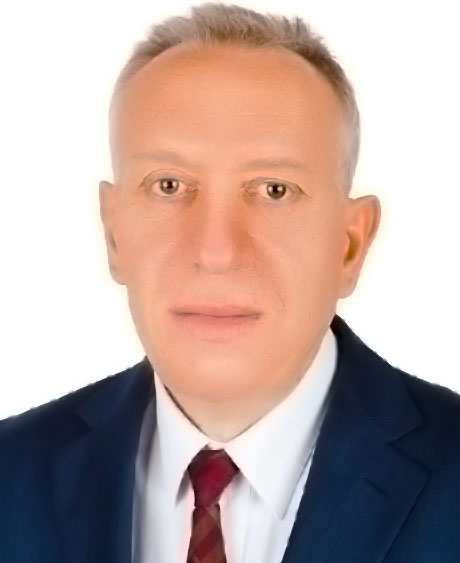
Matthew Barry is Head of Capital Markets and Investor Relations at NANO Nuclear Energy. He brings over a decade of experience across accounting, equity research, and investor relations, including early career work at Deloitte and analyst roles at H.C. Wainwright and Cowen. Before joining NANO Nuclear, he led investor relations at Veeco Instruments, where he built an investor targeting program and helped attract long-term institutional shareholders. Matt is a CPA and a CFA charterholder, and holds degrees in accounting and taxation from Hofstra University.


Day 1 – February 3, 16:20 –16:40
IAEA Activities on SMRs and Fusion Technology Development
Dr. Vladimir Artisiuk from the International Atomic Energy Agency (IAEA) is Senior Nuclear Expert in Small Modular Reactors (SMRs) and fusion in the IAEA’s Department of Nuclear Energy, where he supports global nuclear technology development and policy, and serves on the Secretariat of the Agency-Wide SMR Platform. He holds degrees in nuclear power and engineering from the Moscow Engineering Physics Institute, the Obninsk Institute for Nuclear Power Engineering, and the Tokyo Institute of Technology, and has authored over 200 publications on advanced nuclear systems. Before joining the IAEA in 2023, he advised the IAEA Director General as a member of the Advisory Standing Group (2016–2021).


Day 2 – February 4, 09:10 –09:30
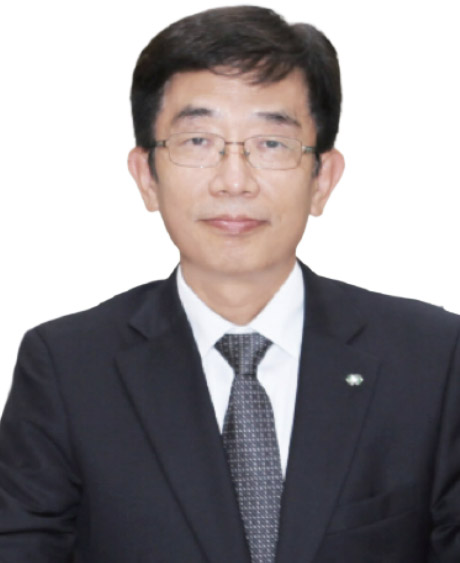
Dr. Kim Han-Gon is President of the Innovative SMR Development Agency, a Korean government foundation advancing i-SMR technology. He holds a PhD in Nuclear Engineering from KAIST and has over 30 years of experience in nuclear reactor development. At KHNP, he contributed to APR1400, leading its Standard Design Approval in 2002, and directed the Gen III+ PWR (APR+) national project. From 2015, he managed APR1400 USNRC and EUR certifications, and since 2020 he has led Korea’s innovative SMR initiatives.


Day 2 – February 4, 09:30 –09:50
Decarbonizing District Heating: Finland’s LDR-50 SMR Approach
Tommi Nyman from Steady Energy is Co-Founder and CEO of the Finnish company developing small modular reactors for low-temperature heat production. With an M.Sc. in nuclear engineering from Aalto University, he began his career at CERN before joining Teollisuuden Voima Oy, where he held senior roles, including Head of Engineering Operations for the Olkiluoto 3 reactor. He later served as Vice President of Nuclear Energy at VTT, leading major fission R&D initiatives. Today, he drives innovation in modular nuclear heat, focusing on scalable and safe energy solutions for industry and climate goals.


Day 2 – February 4, 09:50 –10:10
Bringing the Molten Salt Reactor from Vision to Reality
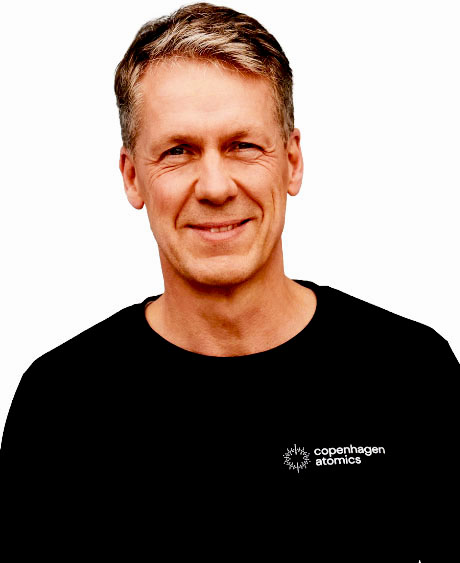
Jesper Glahn is Chief Commercial Officer at Copenhagen Atomics, where he drives the commercial strategy for the company’s molten salt reactor development. He brings more than 30 years of leadership experience from the technology sector, including roles in global organizations such as IBM and Fujitsu. Jesper combines industry experience with a strong business background, including education at INSEAD and Copenhagen Business School. He also serves on advisory boards and mentors graduate students, with a clear focus on accelerating pragmatic, scalable pathways to a low-carbon energy system.


Day 2 – February 4, 11:00 –11:20
Tracking Global SMR Progress: Insights from the NEA SMR Dashboard and Implications for Europe’s Nuclear Future
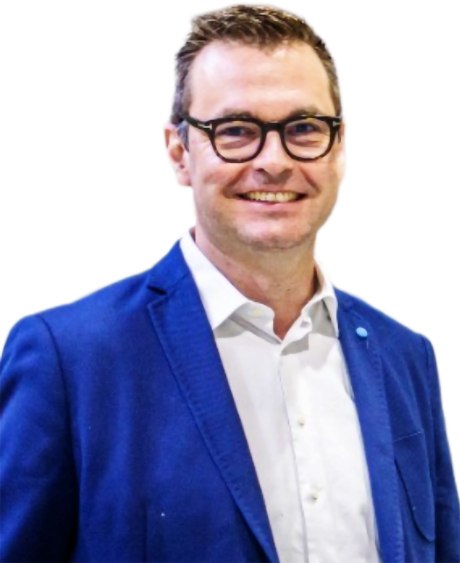
Diane Cameron is Head of Nuclear Technology Development and Economics at the OECD Nuclear Energy Agency (NEA), where she leads a team advancing authoritative analysis on nuclear fission and fusion technologies, economics, financing, and fuel cycle innovation. She holds a Master’s in Technology Policy from MIT and a Bachelor’s in Systems Engineering from the University of Waterloo. With extensive experience in the Canadian government as Director of Nuclear Energy and as a trade negotiator, she focuses on enabling cost-effective, sustainable nuclear energy transitions worldwide.


Day 2 – February 4, 11:20 –11:40
Charting Europe‘s Nuclear Innovation Path: SNETP‘s Role in Advancing SMRs and Gen IV Systems
Dr. Christophe Bruggemann is Deputy Director-General of the Belgian Nuclear Research Centre, SCK CEN, leading strategic projects in nuclear medicine, waste management, and advanced reactor systems such as MYRRHA and SMRs. A mining engineer with a PhD in Bio-Engineering Science, he has held key roles in radioactive waste management, decommissioning, and European nuclear research programmes. He chairs the OECD NEA Focus Group on the Back-End of Advanced Reactors and was the first chair of EURADScience. He contributes to international nuclear research.


Day 2 – February 4, 11:40 –12:00
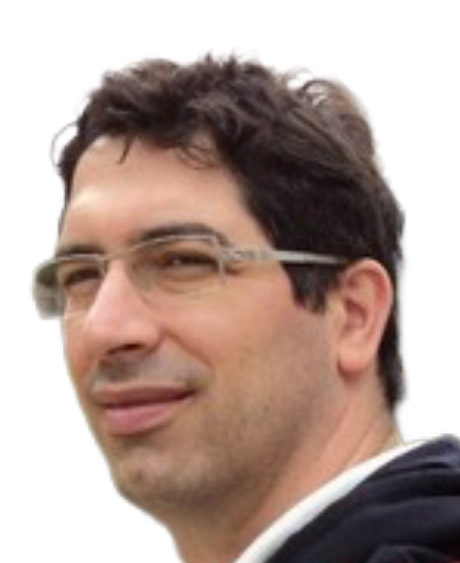
Dr. Gianfranco Brunetti is Head of the “Nuclear Energy, Nuclear Waste, and Decommissioning” Unit at the European Commission’s Directorate-General for Energy. With over ten years of experience at the Commission, he has held various roles, including Deputy Head of Unit and Head of Sector for Decommissioning and Radioactive Waste Management. He oversees EU policies on nuclear energy, waste, and decommissioning, and holds a PhD in Nuclear Engineering, bringing deep technical expertise to support safe and sustainable nuclear development in Europe.


Day 2 – February 4, 13:30 –13:40
Engineering the Future of Fusion Fuel: The LIBRIT Tritium Breeder Blanket Testbed
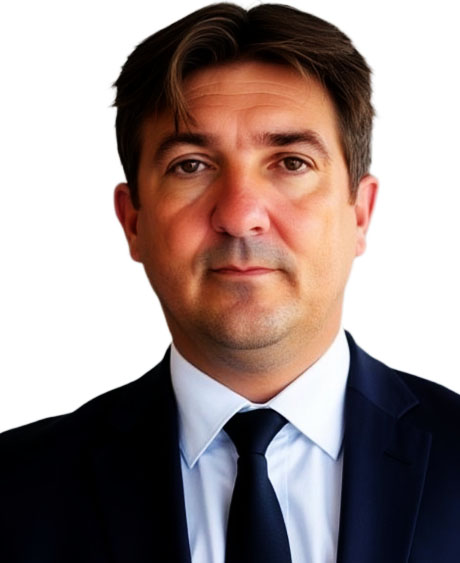
Nicholas Houghton is a Principal Engineer at the UK Atomic Energy Authority, bringing over 20 years of experience in industrial process engineering and automation. He has led complex cross-functional projects across multiple countries, overseeing design, implementation, compliance, risk management, and budgeting. Highly skilled in machine learning, computer vision, industrial control systems, robotics, and autonomous systems, he combines hands-on technical expertise with strategic leadership. Houghton excels in project delivery, engineering management, and applying advanced control architectures to support innovation in the nuclear and energy sectors.


Day 2 – February 4, 13:40 –13:50
AI-driven Decision Support for Fusion and Advanced Reactor Systems – The Gaia Labs Approach
Prof. Dr. Thomas Kopinski is Head and Co-Founder of the GAIA Lab, an international AI research group, and has over 20 years of experience in AI research and development. He leads two major R&D projects applying AI to nuclear decommissioning, accelerating Germany’s energy transition through AI-supported regulation and onboarding and offboarding processes. With more than €8 million in state funding secured, he focuses on collective intelligence, AI safety, and neurosymbolic AI, co-creating open-source tools that help organizations plan energy sector investments and advance critical technology development globally.


Day 2 – February 4, 13:50 –14:00
AI-fueled Innovation for the Nuclear Industry
Giovanni Landi is Vice-President of Institut EuropIA and a veteran business leader with more than 30 years of international management experience in ICT and renewable energy. Since 2023, he has focused his investments on AI companies at the intersection of AI and nuclear energy, both fission and fusion. He chairs the “AI and Fusion” stream of the European Fusion Association, advises IAEA technical initiatives, and fuels thought leadership through his “AI for Nuclear / Nuclear for AI” platform. Fluent in five languages, he brings strategic vision, ethical insight, and a global network to advance AI-driven nuclear innovation.


Day 2 – February 4, 14:00 –14:20
From Vision to Power: Advancing Europe’s Fusion Industry Towards Commercialization
Milena Roveda has been Chair of the European Fusion Association (EFA) since October 2024, leading the Brussels-based alliance of European companies accelerating fusion energy’s transition from lab to grid. She is also CEO of Gauss Fusion, a leading commercial fusion venture advancing fusion technology toward practical, scalable energy solutions. With over 30 years of experience, including C-suite roles, Milena brings expertise in finance and strategic alignment from Bayer, Thyssenkrupp, and major investment firms. She champions fusion as a key driver of Europe’s industrial renaissance and clean energy future, fostering collaboration across the fusion value chain to accelerate innovation.


Day 2 – February 4, 14:20 –14:40
Driving Fusion Forward: Japan’s Strategy for Industrializing Fusion Energy
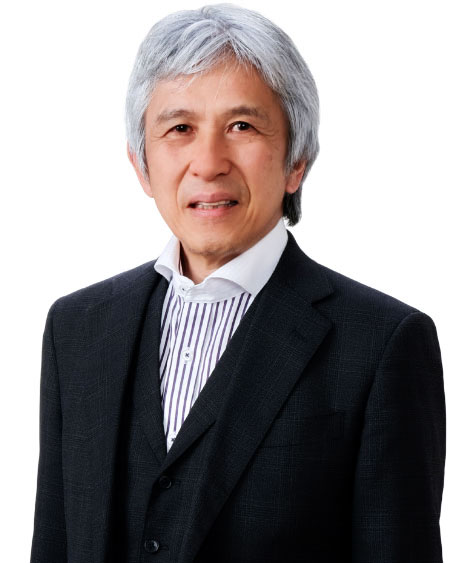
Prof. Dr. Satoshi Konishi is Co-Founder, CEO, and Chief Fusioneer of Kyoto Fusioneering, leading groundbreaking efforts to commercialise fusion energy since 2019. With over 40 years of experience in fusion science and engineering, he has made pioneering contributions in tritium fuel recovery, fusion reactor design, and safety, with more than 250 publications and 40 patents. A professor at Kyoto University, he has played key roles in ITER and advanced breeder blanket technology. His visionary leadership drives innovation in fuel cycle systems and fusion commercialisation.


Day 2 – February 4, 14:40 –15:00
ITER and the Fusion Industry Ecosystem – Infrastructure, Collaboration and Commercial Perspectives
Laban Coblentz is Head of Communication at the ITER Organization, where for more than a decade he has shaped global engagement around the world’s largest international fusion energy project. His career spans nuclear safety, public policy, and science diplomacy, including roles at the U.S. Nuclear Regulatory Commission applying probabilistic risk models to fission safety, and at the IAEA working on nuclear diplomacy and peaceful applications of nuclear technology. He also served in the U.S. Congress on the E-Government Act and has led initiatives in entrepreneurship and advanced manufacturing, bringing a unique cross-sector perspective to advancing fusion as a clean energy solution.


Day 2 – February 4, 15:40 –16:00
From Concept to Reality: Building the World’s First Laser Fusion Power Plant
Prof. Dr. Markus Roth from Focused Energy has been a professor at TU Darmstadt since 2003, specializing in laser and plasma physics, with a career spanning three decades in laser-plasma interaction, ultra-intense lasers, and fusion. A former postdoctoral researcher at Lawrence Livermore National Laboratory and recipient of the prestigious Rosen Scholar Award from Los Alamos National Laboratory, he is also an APS Fellow. In addition, he is the founder and Chief Science Officer of Focused Energy Inc.


Day 2 – February 4, 16:00 –16:20
Dr. Christian Day is Chief Technology Officer at Fusion Fuel Cycles Inc., a joint venture between Canadian Nuclear Laboratories in Chalk River, Canada, and Kyoto Fusioneering, Japan. At Kyoto Fusioneering, he also serves as Senior Vice President, heading its European office in Karlsruhe, Germany. With over 25 years at Karlsruhe Institute of Technology (KIT), he led the fuel cycle technology department and directed all tritium fuel cycle R&D in the European Fusion Programme. His expertise spans tritium processing, vacuum systems, and fuel injection for fusion reactors.


Day 2 – February 4, 16:20 –16:40
Dr. Antonia Schmalz is Innovation Manager at SPRIND (Federal Agency for Disruptive Innovation) in Germany, where she coordinates SPRIND’s activities in nuclear fusion and supports start-ups in the fusion ecosystem. As Technical Managing Director of its subsidiary, Pulsed Light Technologies, she drives the development of high-efficiency laser systems for laser-induced fusion. Previously, she worked as a consultant on government microelectronics funding and researched laser-plasma physics.


Day 3 – February 5, 09:10 –09:20
The MOX Fuel Cycle in Transition: Technology Developments for Advanced Reactors
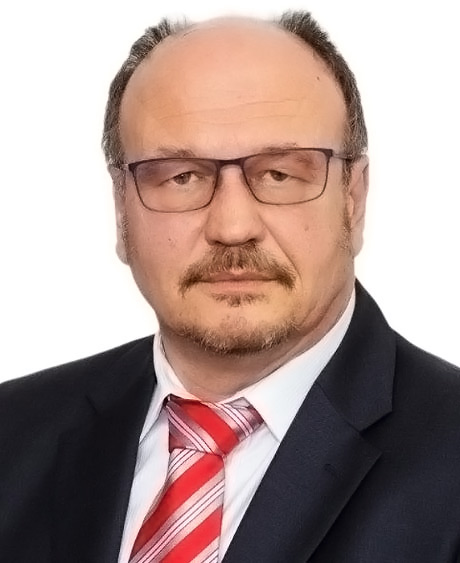
Dr. Johannes Fachinger is Head of Nuclear Technology at ALD Vacuum Technologies GmbH and CTO of NewMOX SAS. He has been working in nuclear technology since 1989, with long-standing experience in nuclear waste management and fuel cycle projects. Before joining ALD, he led a research group at Forschungszentrum Jülich focusing on waste behaviour, destructive quality inspection, and disposal concepts. At ALD, he supports nuclear fuel manufacturing activities and is responsible for the design and set-up of the NewMOX plant in France.


Torsten Pfalz
Head of Nuclear Safety, Radiation Protection and Grid Integration


Day 3 – February 5, 09:20 –09:30
Hare vs. Hedgehog in Energy Innovation: SMR and Fusion’s Race to the Future
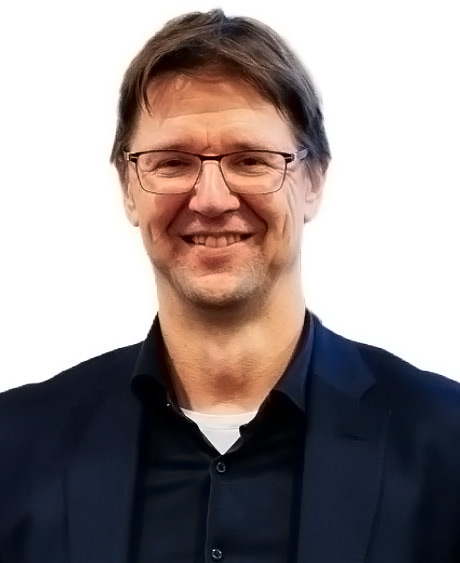
Torsten Pfalz from TÜV Rheinland Industrie Service is Head of Nuclear Safety, Radiation Protection, and Grid Integration, leading expert technical services across the nuclear lifecycle. Since 2003, he has held various roles at TÜV Rheinland, including project lead for a high-temperature reactor project in South Africa, business unit head for nuclear technology, and Segment Manager for nuclear safety. Since 2019, his responsibilities have included grid-connection oversight, and he has long supported licensing, safety report evaluation, and quality assurance matters in new-build procedures.

Day 3 – February 5, 10:30 –10:50
From Experience to Enablement: Bridging Operational Insights and Future Nuclear Innovation
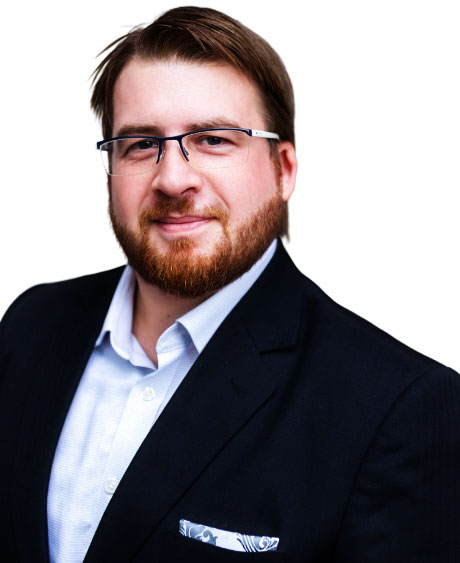
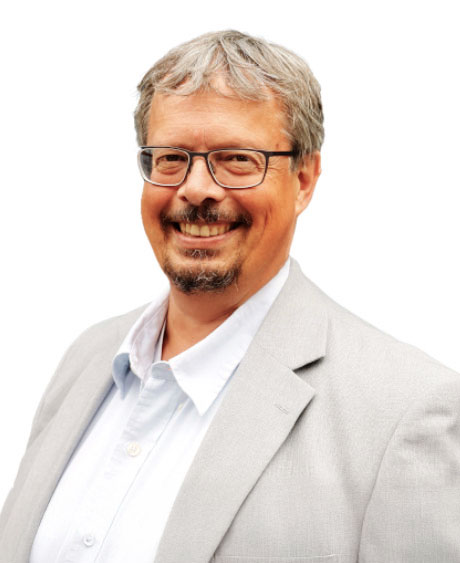
Dr. Anton Anthofer from Hinneburg is an expert in integrated waste management planning for nuclear facilities. Since 2017, he has led the establishment of the Nuclear Services business segment at VPC in Dresden, addressing the high demand for comprehensive nuclear waste management in Germany. Prior to VPC, he worked in waste management at EWN. Dr. Anthofer holds a doctorate in nuclear energy technology and thermal engineering from the Technical University of Dresden.


Day 3 – February 5, 10:50 –11:10
A View at Modern Reactor Technologies: High-level Radioactive Waste Reduction and LWR-fuel Utilization
Dr. Mehmet Kadiroglu from TÜV NORD EnSys GmbH & Co. KG is a technical expert with 15 years of experience in reactor technologies and nuclear safety. His specialties include characterising mid- and high-level radioactive waste, conducting criticality safety analyses, and light-water reactor physics. He contributes to a national working group of the Fachverband für Strahlenschutz on activation calculations for reactor components, and has participated in concept studies to improve spent fuel utilisation through transmutation using new reactor concepts.

Joachim Herb
Management Consultant


Day 3 – February 5, 11:10 –11:30
ReFus: Regulatory Pathways for Future Fusion Power Plants in Germany
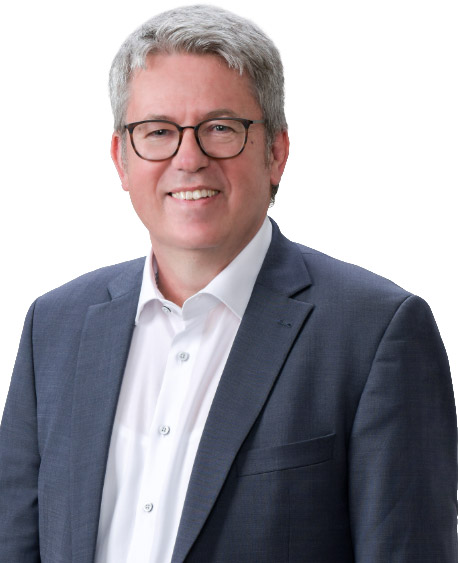
Joachim Herb is an Expert for safety analyses at Gesellschaft für Anlagen- und Reaktorsicherheit (GRS) gGmbH. He studied physics at the University of Augsburg, Technical University of Munich, and Stony Brook University. With over 20 years at GRS, he has developed methods and tools for deterministic and probabilistic safety analyses of nuclear power plants and performed safety assessments. Over the past decade, he has also led and contributed to several projects focused on the safety of fusion facilities.
Join binding.energy on 3–5 February 2026 in Aachen, Germany. Early Bird tickets are available for a limited time and in limited quantity.

We encourage you to secure your spot early to make the most of this offer.
binding.energy
International Conference on Nuclear Technology
Conference starts in